

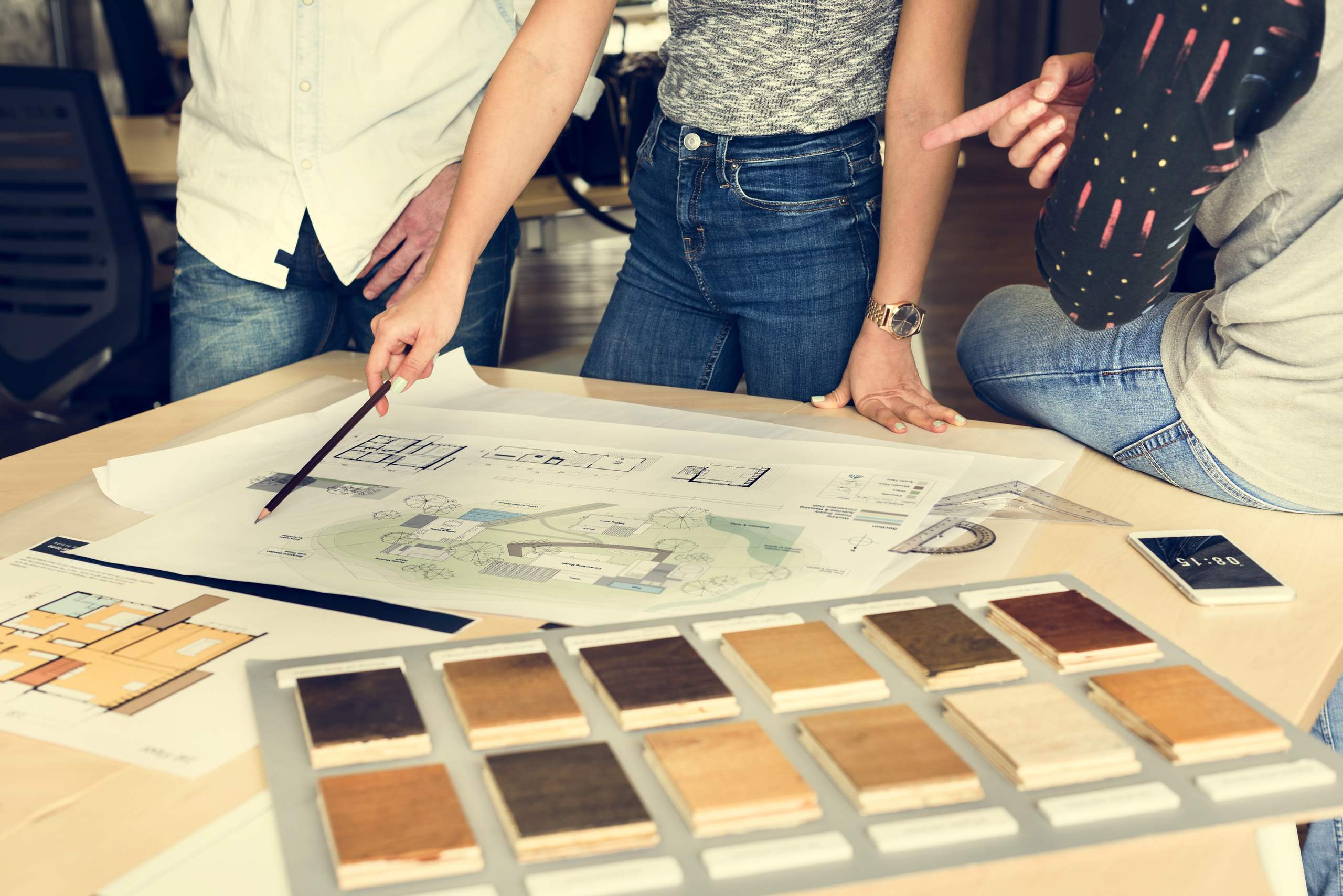
What Is Architectural Design, How Does Space Work, And So On For Beginners
Every edifice, every building or space, has the essence of Architectural Design embedded within it.
Combines a touch of artistic flair, some technical expertise, and problem-solving skills to design an environment to be used. This combination creates an environment that is both visually appealing and practical.
Though for beginners, Architectural design might appear to be a complicated field, once you get through the very basic elements, it is very easy to learn and apply it yourself.
In this simple Architectural Design tutorial we will explore some of the essential basics that every beginners should know about Architectural Design, in brief.
- What is Architectural Design?
Architectural design is about the planning of building construction of buildings and space,
including:
Planning/Conceptualisation
Planning for Space
Layout of Structure
Design/ Aesthetics
The final result will be to produce a well-balanced combination of a functional environment that is safe and visually pleasing.
- Understanding Space And Functionality
One of the most important aspect of Architecture is understanding how space functions.
The idea here:
Every space has to be used for some specific purpose;
Movement within a building space should be seamless; and rooms should be organised appropriately.
In a word, good design should always originate with a good functional purpose.
- Balance And Proportion
Balance and proportions are the factors that make a building visually interesting.
How:
Balance and proportion bring balance to the whole design;
they contribute to a pleasing visual organisation; and
they contribute to a feeling of comfort for the viewer.
An Architect carefully plans for the correct proportion and balance of a building in order to provide for visual comfort and ease of movement through the building.
- Scale In Architecture
Scale is the size of an object or building relative to other things or human size for example.
Examples:
The door size and a human being standing in front of it;
The size of the room and size of the furniture inside;
and building size to the surrounding environment.
Proper scale helps the building or space feel comfortable, pleasant to work and reside in, as well as being easy to move through.
- Lighting and Ventilation
The provision of natural light and ventilation in building design, for example is a very important aspect of Architectural Design.
Some of the reasons for this:
Lighting improves comfort and visualisation of objects within the space;
good air-vents and lighting help reduce the need for artificial lighting;
the beauty of natural light and air-flow adds to the overall appearance of the building; and
both are important for human health and well-being.
A good Architect always takes light and ventilation into consideration in his/her designs.
- Materials And Texture
In addition to the visual beauty of architectural design, materials also have an important function.
For example,
Concrete
Timber/ Wood
Glass
Steel
Each of these materials has an effect on the durability, cost of the building as well as how the building design will look.
- Form And Shape
The form is the form or shape of a building.
There are:
Geometric form, the use of simple geometric shapes;
Organic form, the use of natural shapes and patterns; and
Modern Architectural form, a use of complex shapes.
These all play a large part in giving a building or space its character and look.
- Designing With Function, Not Just Decoration
In architecture and designing, form should follow function before all things.
Meaning that the functionality of the building should be your first priority, and you should think about this in terms of whether or not the building is usable.
There are many beautiful buildings but they may have a number of functional problems.
Ideally, in the perfect design, aesthetics and form and function would be perfectly balanced.
- Simplicity Is Key
Simple designs are often most effective, and are more easily understood and appreciated.
Reasons:
They are easier to understand;
they provide better functionality;
they appear visually clean and elegant; and
They are timeless and will never go out of style.
It is no accident that many modern architect design buildings, based on the principle:
“Less is more”
- Thinking Architectural And Designing Architecturally
In order for us to develop our abilities in design, we must have the ability to think architecturally.
For example:
Observe and study our surroundings, and look at how people use buildings around us.
Learn how to think in 3-dimensions; and
Ask “Why” in relation to design decisions.
This type of thinking helps you to become a better architect and improves your understanding of architecture as it is a process to learn.
In conclusion
Architecture combines the artistic, the structural and the functional in an environment to be used.
Beginners can start with a basic idea of Architectural design and use that as a stepping stone to learn more.
With experience and observation, you may well find that you too can learn to think like an Architect and design meaningful structures.
ArchMastery will be with you every step of the way, and will give you the best help possible as you grow in your learning experience as an Architect or designer.